Why is UL 508A certification crucial for control panels?
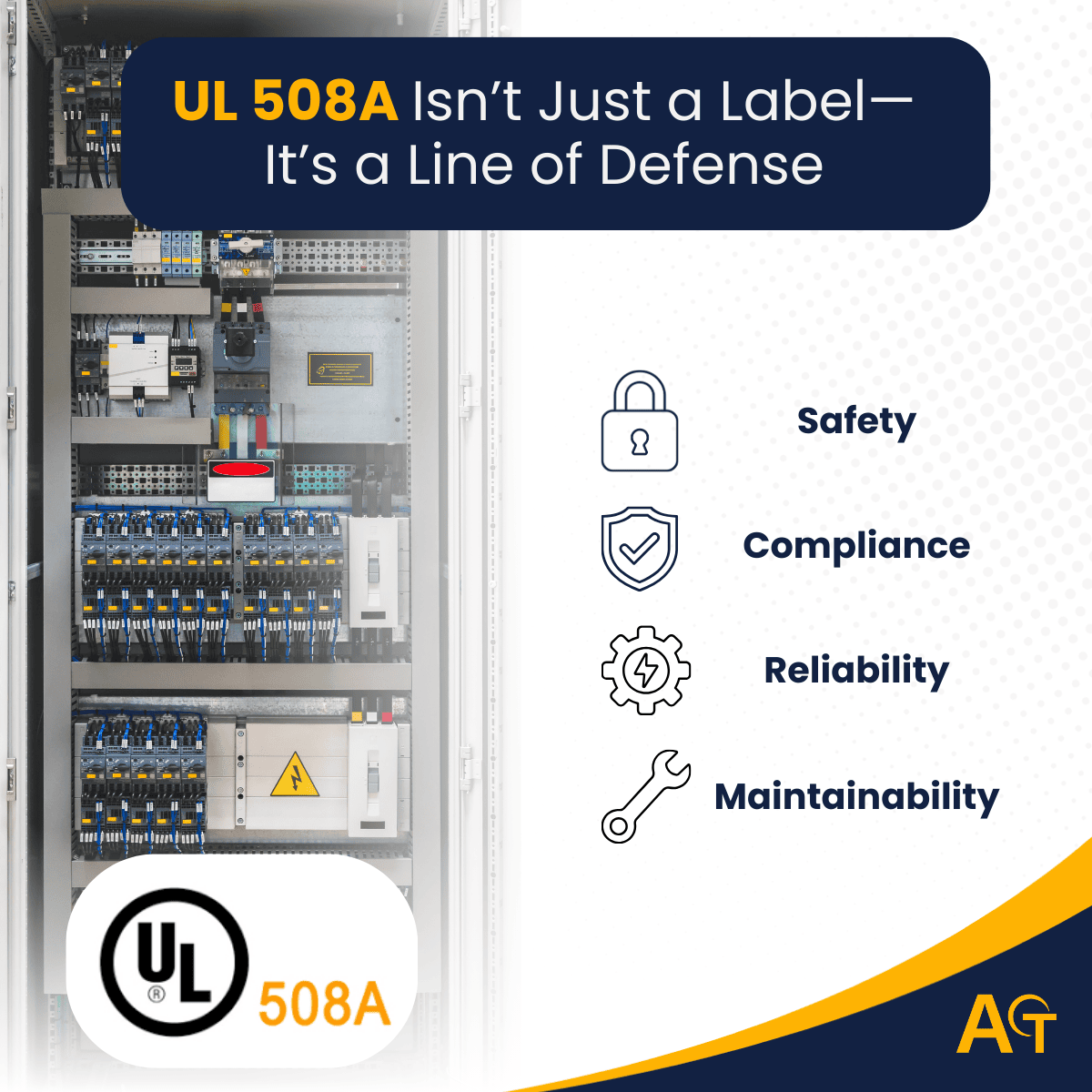
In industrial and commercial environments, control panels are the backbone of electrical systems, powering machinery, managing automation, and ensuring operational safety. Without proper certification, these panels can pose serious risks, from electrical hazards to costly downtime. UL 508A certification provides the assurance that industrial control panels meet rigorous safety and compliance standards, protecting both people and equipment.
Beyond safety, UL 508A certification serves as a mark of quality and reliability for manufacturers, signaling to clients and regulatory authorities that a panel has been built according to recognized industry standards. For compliance officers and quality assurance teams, understanding the importance of UL 508A certification is critical for managing risk, maintaining operational continuity, and ensuring workplace safety.
Understanding UL 508A Certification
UL 508A certification standards are defined by Underwriters Laboratories (UL), a globally recognized authority in safety standards. It specifically applies to industrial control panels, providing a framework for safe design, construction, and operation. The certification evaluates panels for electrical safety, proper wiring, grounding, short-circuit protection, and environmental resistance.
The certification process is rigorous. It requires manufacturers to submit detailed documentation and undergo thorough inspections to verify that panels meet all safety and performance standards. This includes everything from component ratings to enclosure integrity, wiring practices, and protection against overloads and faults.
Understanding UL 508A Certification
UL 508A certification standards are defined by Underwriters Laboratories (UL), a globally recognized authority in safety standards. It specifically applies to industrial control panels, providing a framework for safe design, construction, and operation. The certification evaluates panels for electrical safety, proper wiring, grounding, short-circuit protection, and environmental resistance.
The certification process is rigorous. It requires manufacturers to submit detailed documentation and undergo thorough inspections to verify that panels meet all safety and performance standards. This includes everything from component ratings to enclosure integrity, wiring practices, and protection against overloads and faults.
Why UL 508A Matters for Industrial Control Panels
For manufacturers and end-users alike, UL 508A ensures that control panels are not just operational but safe under real-world conditions. Certified panels reduce the likelihood of fire, shock, or system failure. Moreover, achieving UL 508A certification demonstrates adherence to industry best practices, instilling confidence among stakeholders, clients, and regulatory bodies.
Consider an industrial plant that operates automated conveyor systems. A non-certified panel might function initially, but a poorly rated component could overheat and trigger a fire. A UL 508A-certified panel, on the other hand, is designed to prevent such failures, ensuring both equipment protection and worker safety.
Core UL 508A Standards and Requirements
To meet UL 508A standards, control panels must comply with several essential requirements:
Component Selection and Ratings
Every component within a control panel must meet strict UL-rated specifications. Using approved parts ensures compatibility and prevents overheating, electrical faults, or failures that could compromise safety. Certified components are tested for endurance, voltage ratings, and environmental tolerance.
For example, breakers, relays, and power supplies must carry UL listings appropriate to the panel’s voltage and load requirements. This prevents mismatched components from causing faults or downtime.
Enclosure Requirements
UL 508A specifies the proper construction and rating of enclosures to protect internal components from environmental factors such as dust, moisture, and mechanical impact. Enclosures are rated for different degrees of protection (NEMA or IP ratings), ensuring panels can withstand conditions from dusty manufacturing floors to humid outdoor installations.
Wiring, Grounding, and Short-Circuit Protection
Proper wiring is essential to prevent hazards. Panels must use wire types and gauges that comply with UL standards, maintain organized layouts, and provide proper grounding. Short-circuit and overload protection mechanisms, such as fuses and breakers, are mandatory to prevent electrical accidents.
By adhering to these standards, manufacturers ensure that industrial control panels are compliant, reliable, and safe.
The Role of UL 508A in Ensuring Panel Safety
Panel safety is the primary reason why UL 508A certification exists. Industrial environments present numerous risks, from high-voltage equipment to complex machinery. Certified panels undergo rigorous testing to ensure they can operate safely under such conditions.
Testing and Reliability
UL 508A-certified panels are subjected to comprehensive inspections and testing, including:
- Verification of proper grounding
- Component rating checks
- Operational tests under load
This thorough evaluation minimizes the risk of electrical hazards such as fire or shock and ensures operational reliability even in demanding industrial settings. Additionally, certification ensures panels are designed to tolerate variations in power supply, environmental changes, and the mechanical stresses commonly encountered in factories, refineries, or other industrial sites.
For QA teams, this level of scrutiny simplifies risk assessments and allows for more predictable maintenance schedules, reducing downtime and increasing operational efficiency.
Compliance Benefits for Manufacturers and Businesses
Beyond safety, UL 508A certification offers numerous compliance advantages for manufacturers and industrial operators.
Legal and Regulatory Compliance
OSHA, NFPA, and insurance standards often require UL-certified panels for industrial applications. Certification reduces legal liability and ensures adherence to local and national safety regulations. For example, non-certified panels installed in industrial facilities can lead to insurance claim rejections or legal penalties if an incident occurs.
Market Credibility and Client Trust
A UL 508A mark signals to clients and partners that a manufacturer follows recognized safety and quality standards. This trust can be a differentiator in competitive industrial markets. For OEMs and system integrators, providing UL-certified panels can be a prerequisite for bidding on large contracts or entering new markets.
Operational Efficiency
Certified panels are less prone to failure, which translates to reduced downtime and fewer recalls. Properly documented and tested panels simplify maintenance and troubleshooting, saving both time and costs. Moreover, reliability can improve workforce confidence, as operators trust that systems are built to strict safety standards.
Fabrication Best Practices to Achieve UL 508A Certification
Achieving UL 508A certification requires meticulous attention during the fabrication process.
Design Considerations
- Proper panel layout for airflow and heat dissipation
- Selection of UL-approved components
- Accurate labelling of wires and circuits
- Avoiding overcrowding of components to minimize heat buildup and facilitate maintenance
Testing and Documentation
- Pre-certification inspections
- Maintaining detailed records for compliance audits
- Adhering to standardized testing protocols
- Documenting design changes to ensure traceability and audit readiness
Training and Expertise
Qualified electricians and quality assurance teams are essential to ensure panels meet UL 508A standards. Continuous training in electrical safety and UL requirements enhances compliance and reduces errors. Teams should also be trained to identify non-compliant components and improper wiring techniques before assembly.
By implementing these best practices, manufacturers can streamline certification, reduce rework, and maintain consistent panel quality over time.
Common Challenges and How to Overcome Them
Despite its benefits, achieving UL 508A certification can be challenging.
Complex Compliance Requirements
UL 508A standards evolve over time, requiring manufacturers to stay up to date with revisions to component ratings, enclosure requirements, and wiring guidelines.
Documentation and Inspection Errors
Incomplete or inaccurate documentation can delay certification or result in non-compliance. Implementing rigorous audit processes and checklists ensures nothing is missed.
Effective Solutions
- Partnering with UL-certified engineers for guidance
- Conducting regular internal inspections
- Investing in team training programs
By proactively addressing these challenges, compliance officers and QA teams can reduce risks, avoid costly delays, and ensure the highest safety standards.
FAQ: UL 508A Certification
Q1: What does UL 508A certification mean for control panels?
A: UL 508A certification confirms that a control panel meets stringent safety and compliance standards, including proper wiring, component ratings, and short-circuit protection.
Q2: Why is panel safety important in industrial settings?
A: Properly certified panels prevent electrical hazards such as fire or shock, ensuring operational reliability and protecting personnel.
Q3: How can manufacturers achieve UL 508A certification?
A: By following UL 508A standards for design, component selection, testing, documentation, and employee training.
Q4: Can non-certified panels be used legally?
A: While technically possible, non-certified panels may violate local electrical codes, compromise safety, and increase liability risks.
Q5: What industries benefit most from UL 508A certification?
A: Manufacturing, energy, automation, water treatment, and any industry relying on industrial control panels for critical operations.
Conclusion
UL 508A certification is not just a regulatory checkbox; it is a crucial factor in ensuring panel safety, operational reliability, and regulatory compliance. By adhering to UL 508A standards, manufacturers and businesses protect personnel, reduce downtime, and gain a competitive edge in the industrial market.
At Atlas OT, we understand the importance of UL 508A-certified industrial control panels and the value they provide in ensuring safe, efficient, and compliant operations. Proactively embracing these standards today safeguards both people and operations for tomorrow.