The Need for Automation in Water Treatment
The growing demand for efficient and sustainable water and wastewater management has made automation a key focus for municipal engineers and facility managers. One critical question arises: how can automation improve water treatment processes? Automation offers significant advantages, including enhanced efficiency, cost reduction, regulatory compliance, and increased operational reliability.
This blog explores how water treatment automation, SCADA systems, process control, and remote monitoring can transform operations. We will examine real-world strategies for integrating automation, improving efficiency, and maintaining regulatory compliance, giving facilities a competitive and environmentally responsible edge.
Understanding Water/Wastewater Treatment Challenges
Water and wastewater facilities face several operational challenges. Manual monitoring and labor-intensive operations often result in inconsistent process control, delayed responses to fluctuations, and higher operational costs.
Inefficiencies in treatment processes can lead to energy waste, increased chemical usage, and occasional violations of regulatory standards. These challenges emphasize the need for automation, which allows facilities to optimize operations, reduce human error, and ensure compliance with local, state, and federal water quality requirements.
Automation also addresses the growing pressure to deliver safe, clean water while maintaining sustainable operations, helping facilities meet environmental goals and community expectations.
How Automation Enhances Water Treatment Processes
Process Control and Optimization
Process control is a cornerstone of water and wastewater treatment automation. By using advanced sensors and control systems, facilities can stabilize chemical dosing, filtration, and biological treatment processes. Automation ensures consistent water quality, minimizes chemical overuse, and optimizes energy consumption.
For example, automated dosing systems adjust chemical addition based on real-time water quality measurements, preventing over-treatment and lowering costs. Similarly, automated filtration control maintains optimal flow rates and reduces downtime caused by clogging or system imbalances. These optimizations directly enhance efficiency and resource management.
SCADA Systems for Real-Time Monitoring
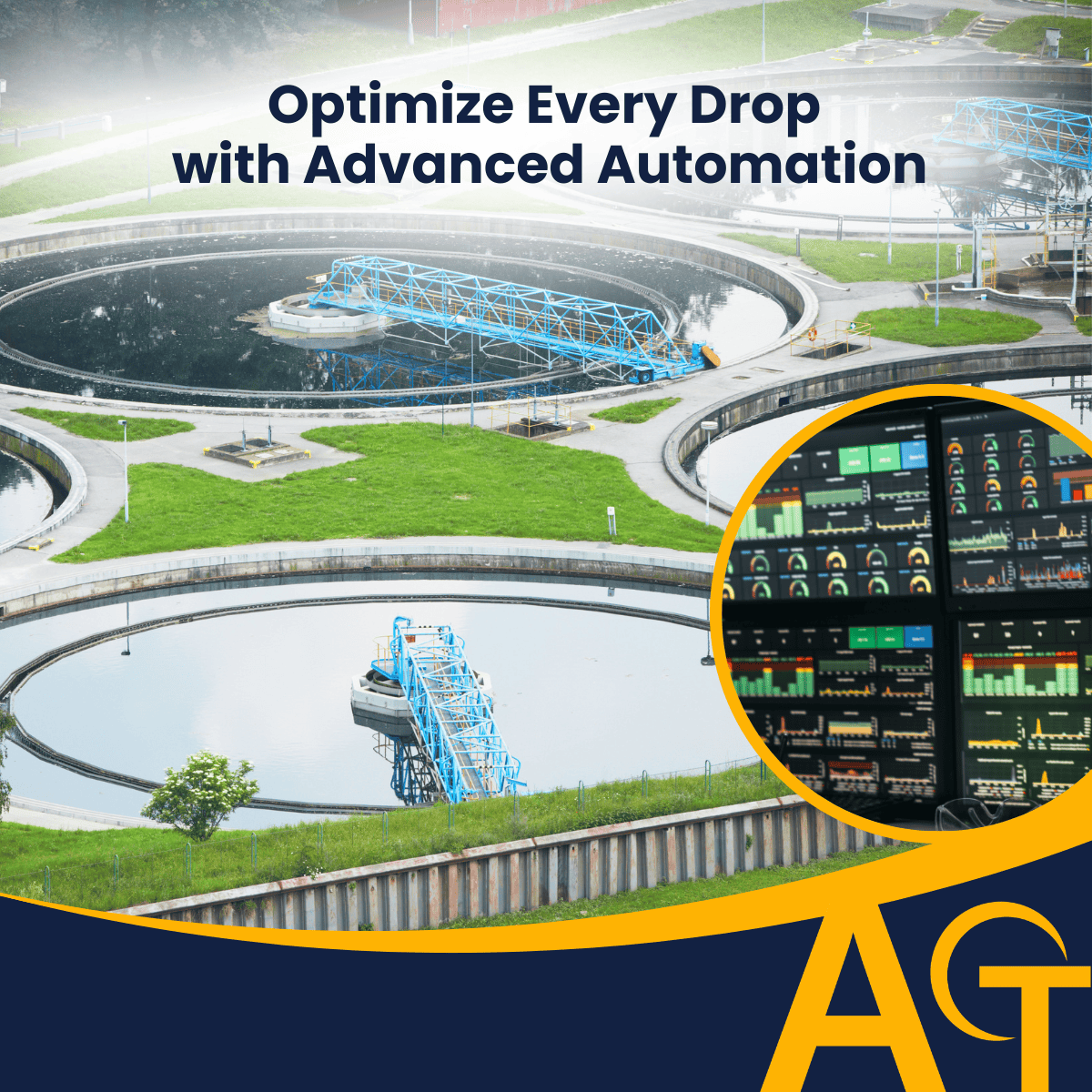
SCADA (Supervisory Control and Data Acquisition) systems provide centralized control over water and wastewater processes. By continuously monitoring key parameters such as flow, pH, turbidity, and chemical concentrations, SCADA systems allow operators to detect anomalies immediately.
Real-time data logging and automated alerts ensure quick corrective action, reducing the risk of non-compliance and improving decision-making. Facilities using SCADA report enhanced operational visibility, fewer shutdowns, and increased confidence in meeting regulatory standards. Integration with mobile devices and dashboards allows engineers to respond to issues from remote locations, further improving system reliability.
Remote Monitoring and Predictive Maintenance
Automation enables remote monitoring, which reduces the need for constant on-site supervision. Sensors and IoT devices track equipment performance and water quality metrics continuously. When paired with predictive maintenance algorithms, these systems identify potential equipment failures before they occur.
Predictive maintenance minimizes unexpected downtime, extends equipment lifespan, and saves operational costs. For instance, monitoring pump vibrations and motor loads can predict mechanical wear, allowing maintenance teams to schedule repairs proactively rather than reactively. This approach ensures smoother operations and maintains compliance with regulatory requirements.
Efficiency Improvements through Automation
Energy and Chemical Savings
Automation controls energy-intensive components like pumps, aerators, and mixers more efficiently. Variable frequency drives (VFDs) adjust motor speeds based on demand, reducing energy consumption. Automated chemical dosing ensures precise application, lowering chemical costs and minimizing environmental impact.
The combination of optimized energy use and chemical management not only improves operational efficiency but also supports sustainability initiatives, which are increasingly required by regulatory bodies and community stakeholders.
Faster Response to System Fluctuations
Automated systems can detect fluctuations in flow rate, pH, or contaminant levels much faster than manual monitoring. Early detection enables timely intervention, preventing water quality issues from escalating.
Rapid response reduces the risk of regulatory violations and protects public health, while maintaining smooth plant operations. Automation thus strengthens resilience, ensuring that facilities can handle unexpected changes without compromising treatment quality.
Enhanced Data Management and Reporting
Automation simplifies data collection and management, providing accurate, real-time information for compliance reporting and operational optimization. Data analytics identify trends, inefficiencies, and potential areas for improvement, facilitating continuous process refinement.
Automated reporting also streamlines audits, helping facilities maintain regulatory compliance with less manual effort. This data-driven approach empowers facility managers to make informed decisions and demonstrate accountability to stakeholders.
Regulatory Compliance and Safety Benefits
Automation supports adherence to stringent water quality regulations. Systems automatically track and record key parameters, generate alarms for deviations, and produce compliance reports.
Automated monitoring reduces the risk of non-compliance fines and environmental penalties. Additionally, automation improves safety by limiting human exposure to hazardous chemicals and operational environments, creating a safer workplace for facility staff.
Integrating Automation into Existing Facilities
Assessment and Planning
Before implementing automation, facilities should evaluate current processes and identify areas for improvement. Conducting a cost-benefit analysis helps determine the potential ROI of automation investments, ensuring that upgrades deliver measurable value.
Step wise Implementation
Phased implementation starting with pilot projects and gradually expanding automation reduces operational risks. Deploying SCADA systems, installing sensors, and integrating process control modules can be done incrementally while providing staff training to ensure smooth adoption.
Interfacing with Legacy Systems
Many water treatment facilities operate with legacy equipment. Integration strategies include modular automation solutions, scalable architecture, and communication protocols that bridge old and new systems. This approach future-proofs facilities and maximizes existing infrastructure investments.
Emerging Trends in Water Treatment Automation
Advanced technologies like AI, machine learning, and IoT-enabled sensors are transforming water treatment. Predictive analytics optimize chemical dosing, anticipate equipment failures, and support decision-making.
Cloud-based control systems enable multi-site management, while smart sensors improve energy efficiency and remote compliance verification. These innovations enhance operational performance, reduce costs, and promote sustainable water management practices.
Common Mistakes to Avoid
- Relying solely on automation without proper human oversight.
- Failing to train staff or update operational protocols.
- Ignoring maintenance, calibration, and system upgrades.
- Implementing automation without aligning with regulatory requirements.
Awareness of these pitfalls helps facilities maximize the benefits of automation while minimizing risks.
Conclusion – Driving Smarter Water Management
Automation plays a transformative role in water and wastewater treatment, improving process efficiency, ensuring regulatory compliance, and enabling proactive maintenance. From SCADA systems and remote monitoring to predictive analytics, these technologies allow facilities to optimize operations while reducing costs and environmental impact.
By carefully assessing current processes, implementing phased automation, and leveraging advanced monitoring tools, municipal engineers and facility managers can enhance water quality, operational reliability, and sustainability. Facilities that embrace automation position themselves for long-term excellence in water management.
Atlas OT provides expert guidance for integrating advanced automation solutions, helping facilities optimize treatment processes, improve efficiency, and maintain compliance with evolving regulatory standards.