Why Safety in Automation Matters
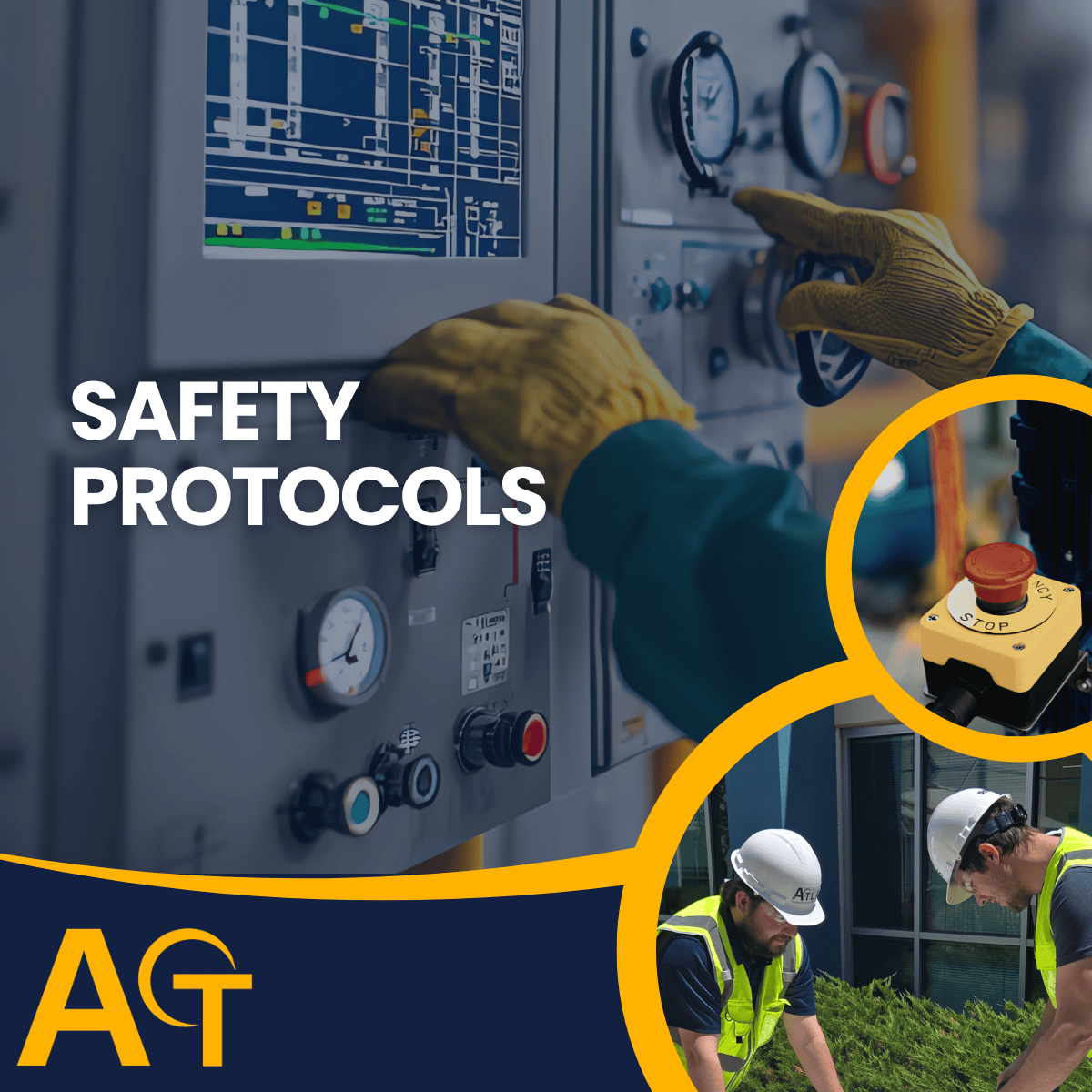
Industrial automation systems are becoming increasingly complex, integrating robotics, PLCs, sensors, and IoT-connected devices to streamline operations. However, this complexity brings new safety challenges. Understanding what safety protocols are essential in automation systems is critical for protecting employees, maintaining operational continuity, and complying with industry regulations.
Implementing proper safety protocols prevents costly downtime, minimizes workplace injuries, and ensures organizations meet compliance requirements. Beyond legal obligations, prioritizing safety fosters a culture of operational excellence, increases employee confidence, and enhances brand reputation.
In this blog, we will explore the critical safety measures that industrial automation systems require, strategies for integrating these measures effectively, and the compliance standards organizations must follow. By the end, safety engineers, automation professionals, and plant managers will have a clear roadmap to strengthen safety in their operations.
Understanding the Role of Safety in Industrial Automation
Industrial safety in automation refers to the systematic measures taken to protect human operators, equipment, and the surrounding environment while ensuring operational efficiency. Unlike manual operations, automation systems interact with moving machinery, electrical circuits, and sometimes hazardous materials, which introduces unique risks that require carefully designed safeguards.
Compliance with international safety standards is non-negotiable. Standards such as ISO 13849, IEC 61508, and OSHA regulations define requirements for functional safety, risk reduction, and operational protocols. These guidelines help organizations establish reliable systems that minimize hazards and provide a structured approach to safety management.
Safety is deeply intertwined with risk management. Identifying potential hazards early in the design phase allows for preventive measures to be implemented, ultimately improving system reliability, reducing downtime, and enhancing long-term operational success.
Key Safety Protocols Essential in Automation Systems
Risk Assessment and Hazard Identification
Risk assessment is the foundation of any effective safety program. During both system design and daily operations, organizations must:
- Identify hazards – Examine machinery, control systems, and work processes to find potential sources of harm.
- Evaluate risks – Determine the severity and probability of accidents occurring.
- Mitigate hazards – Implement engineering controls, administrative measures, or personal protective equipment (PPE) to reduce risk.
Techniques such as FMEA (Failure Modes and Effects Analysis) and HAZOP (Hazard and Operability Study) are commonly used to systematically identify potential failures and design proactive safety measures. These tools help prioritize risks, allowing teams to address high-impact hazards before system deployment.
Safety Interlocks and Guarding Mechanisms
Safety interlocks are mechanisms that prevent unauthorized access to hazardous zones while machinery is operating. These can include:
- Physical guards around moving parts
- Magnetic sensors on access doors
- Door interlock switches integrated into PLC logic
By connecting interlocks to the automation system, machinery can automatically stop if an unsafe condition is detected, protecting personnel and preventing equipment damage. Proper design ensures that safety systems are fail-safe and cannot be easily bypassed.
Emergency Shutdown Systems (E-Stop)
Emergency shutdown systems, commonly known as E-Stops, allow operators to immediately halt operations during dangerous situations. Critical considerations include:
- Placement of accessible E-Stop buttons across the facility
- Redundant circuits to ensure system reliability
- Integration with control logic to override standard operation
Standards governing emergency shutdown systems dictate design, testing, and reset protocols. E-Stops are essential in preventing injury during unforeseen events and ensuring compliance with regulatory safety requirements.
Functional Safety and Redundancy
Redundancy is a critical component of industrial automation safety. Redundant systems, such as sensors, controllers, and communication channels, help ensure that a single failure does not compromise safety.
Safety Integrity Levels (SIL) and Performance Levels (PL) provide measurable benchmarks for system reliability, allowing engineers to design automation systems with predictable safety outcomes. By implementing redundant systems, companies not only protect personnel but also safeguard production continuity, reducing costly downtime.
Compliance and Safety Documentation
Documentation plays a key role in demonstrating compliance and supporting ongoing safety improvement. Effective safety documentation includes:
- Records of inspections and routine tests
- Validation and certification reports for equipment
- Updated operational procedures reflecting system changes
Following ISO, IEC, and local regulations ensures that audits are smoother and safety practices are verifiable. Accurate documentation also helps identify trends, predict risks, and continuously improve safety measures.
Integrating Safety Protocols into Automation Design
Designing for Safety from the Start
The concept of “safety by design” emphasizes incorporating safety considerations during the earliest stages of system development. Early inclusion of risk analysis and hazard mitigation helps avoid costly redesigns later and ensures practical, real-world safety measures are embedded into the system.
Collaboration between design engineers, safety officers, and operators is critical. By engaging all stakeholders early, organizations can align safety objectives with operational goals, creating robust automation systems.
Implementing Control Layer Safety
Safety PLCs, fail-safe I/O modules, and certified relays are integral to achieving functional safety in automation systems. Separating standard control systems from safety-critical components ensures that routine operations cannot compromise the integrity of safety protocols.
A layered approach, combining standard and safety control logic, reduces the risk of accidents and enhances reliability.
Human-Machine Interface (HMI) Safety
The HMI is a crucial touchpoint for operators interacting with automated systems. Safe HMI design can prevent operator errors through:
- Clear and intuitive displays
- Password-protected access to critical controls
- Prioritized alarm management to highlight urgent safety issues
An effective HMI ensures operators respond appropriately to safety alerts, reducing incidents caused by human error.
Best Practices for Maintaining Industrial Safety
Maintaining safety is an ongoing process. Key practices include:
- Regular inspections and system testing to detect wear or potential failure points
- Periodic audits and risk re-assessments to ensure protocols remain effective
- Employee training to foster a culture of safety awareness
- Predictive maintenance and real-time monitoring to proactively address potential hazards
These practices make safety a continuous priority, rather than a one-time compliance checklist.
Common Mistakes to Avoid in Automation Safety
Some common errors in implementing industrial safety protocols include:
- Ignoring risk analysis during system design
- Failing to implement redundancy and fail-safe logic
- Neglecting updates to documentation after system modifications
- Undertraining operators or maintenance personnel
- Treating compliance as a one-time activity instead of a continuous process
Avoiding these mistakes helps ensure industrial automation systems remain reliable, safe, and compliant over time.
The Future of Safety in Industrial Automation
Industry 4.0 technologies are reshaping the safety landscape. Artificial intelligence, IoT-enabled sensors, and digital twins enhance predictive maintenance and real-time monitoring. These technologies allow for early detection of system anomalies, reducing risk and improving operational efficiency.
Cybersecurity is also emerging as a crucial aspect of automation safety. As industrial systems become more connected, ensuring secure communication and protection from cyber threats becomes essential to maintaining overall safety.
Conclusion – Building Safer Automated Operations with Atlas OT
Implementing the right safety protocols in industrial automation systems is essential for protecting personnel, maintaining operational continuity, and meeting regulatory requirements. From risk assessments and safety interlocks to emergency shutdown systems and functional redundancy, each measure plays a critical role in creating a reliable and safe environment.
Organizations that prioritize safety from the design stage and maintain ongoing monitoring, documentation, and training can significantly reduce workplace incidents while improving system performance. Embracing a proactive safety culture not only ensures compliance but also strengthens operational efficiency and long-term excellence.
Atlas OT supports organizations in implementing advanced safety protocols, helping integrate risk management, functional safety, and compliance measures seamlessly into automation systems.