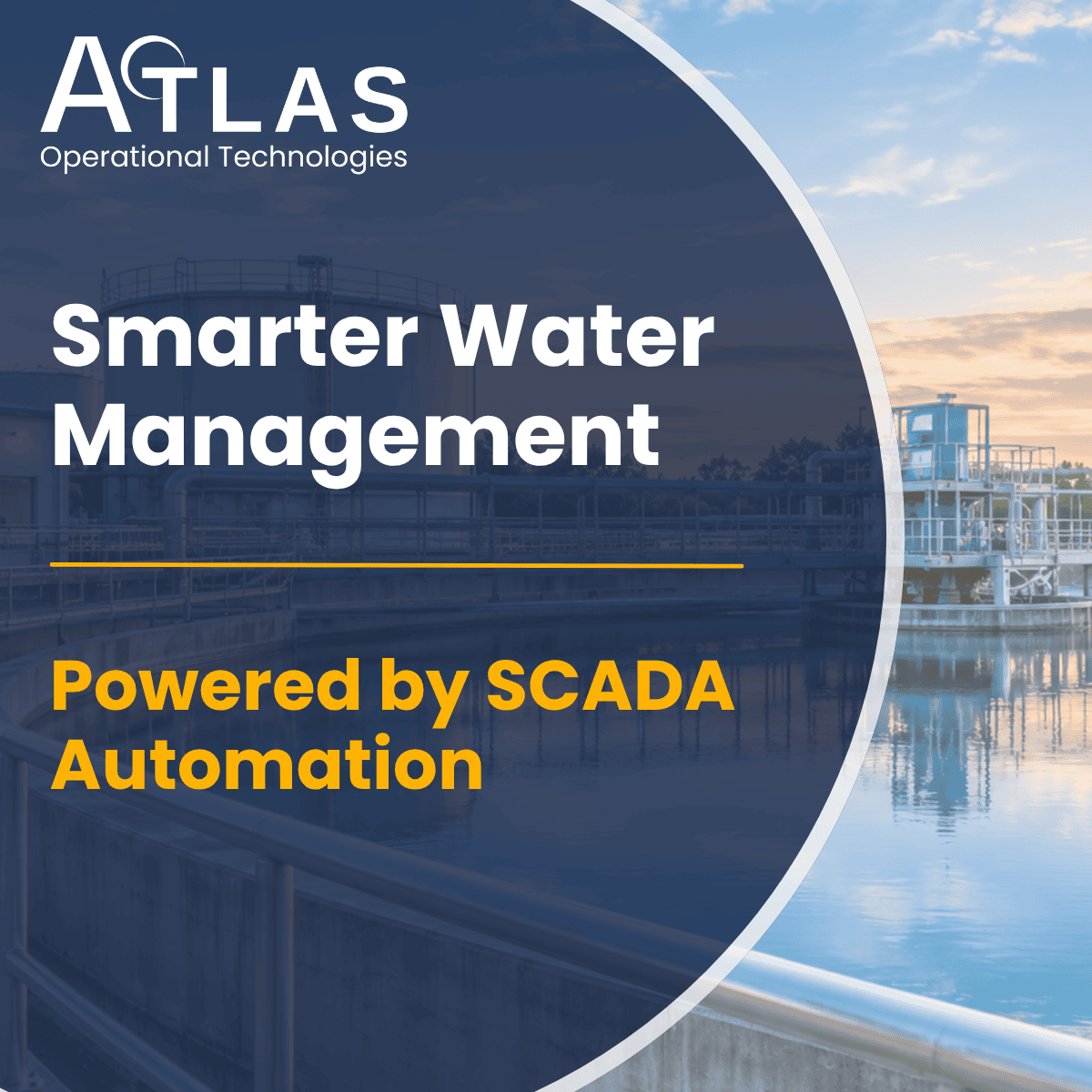
SCADA systems in water and wastewater facilities are implemented through a coordinated process of assessment, system design, equipment integration, software development, testing, and operator training. The goal is to give operators dependable visibility and control while keeping treatment processes and essential services running throughout the transition.
A successful project starts with how the utility operates today. Which equipment must keep running, where operators lack useful information, and what needs to happen when equipment or communications fail. Those requirements should drive the technology choices and commissioning plan.
What SCADA Does in a Water or Wastewater Facility
SCADA stands for Supervisory Control and Data Acquisition. It brings field measurements, equipment status, alarms, and historical trends into an interface operators can use to monitor processes and make authorized adjustments. In a water utility, that may mean tracking tank levels and distribution pressures. In a wastewater facility, it may include monitoring lift stations, aeration, and effluent measurements.
The supervisory system works with local controllers that execute equipment sequences and interlocks. The design should define which functions remain available locally if the SCADA server or a remote communications link becomes unavailable. Reliable visibility matters, but so does predictable behavior when that visibility is lost.
Key Components of a SCADA System
Implementation connects several layers of equipment and software. The condition and compatibility of each layer affect what can be reused, what needs upgrading, and how the work should be phased.
| Component | Role in the Facility |
|---|---|
| Sensors and instruments | Measure flow, pressure, level, and water quality. |
| PLCs and RTUs | Collect field signals, execute local control logic, and exchange data with SCADA. |
| Communication networks | Connect controllers, treatment facilities, remote sites, and control centers. |
| SCADA software | Organize supervisory monitoring, commands, alarms, trends, and reporting. |
| Human-machine interfaces (HMIs) | Provide the screens operators use to understand conditions and interact with equipment. |
| Data historians | Retain time-stamped operational information for troubleshooting, analysis, and reporting. |
The SCADA Implementation Process
1. Assess Existing Equipment and Define Requirements
The project team should review available drawings, controller programs, instrument lists, network layouts, and existing operator screens, then verify conditions in the field. Older facilities often contain undocumented changes, unsupported hardware, or instruments that no longer match the original design.
Operations and maintenance staff should help identify the problems the project must solve. These may include nuisance alarms, unreliable telemetry, limited reporting, or equipment that requires frequent manual intervention. The assessment should produce a defined scope, an equipment reuse strategy, and priorities that fit the utility's budget and planned expansion.
2. Design the Architecture and Control Strategy
System design establishes how field devices, local controllers, servers, workstations, and remote sites will work together. It also defines operating sequences, equipment permissives, alarm priorities, user access, historical data, and reporting requirements. A written control narrative gives the utility and integrator a shared basis for programming and acceptance testing.
For example, a pump station design should address lead/lag operation, level or pressure control, pump faults, and the response to a failed instrument or lost communications. Decisions about redundancy and backup power should reflect the operational consequences of a failure, along with the utility's maintenance capabilities.
3. Integrate Instruments, Controllers, and Communications
Accurate field information is fundamental to a useful SCADA system. New or existing instruments must be checked for suitable measurement ranges, signal types, installation conditions, and calibration. Wiring and signal verification should confirm that the value displayed to an operator represents the actual field condition.
PLC and RTU programming turns the approved control strategy into operating logic. Network integration then connects the site using appropriate fiber, Ethernet, radio, or cellular communications. The team should verify device compatibility and communications performance, including how stale or missing data will be identified on operator screens.
4. Develop Operator Screens, Alarms, and Reports
The SCADA software platform should fit the utility's installed equipment, support resources, licensing needs, and expansion plans. Development includes process graphics, equipment controls, alarm notifications, trends, historical storage, and user permissions.
Operators should review representative screens before development is complete. Clear equipment states, consistent navigation, and useful alarm messages help staff recognize abnormal conditions and choose the next action. Reports also need agreed definitions, units, time periods, and data quality checks; collecting more tags does not automatically produce better operating information.
5. Test the System and Plan the Cutover
Factory acceptance testing (FAT) checks the programmed system against agreed requirements before field deployment. Simulated signals can be used to verify sequences, interlocks, alarms, trends, and specified failure responses. Problems found here can be corrected before they affect an operating facility.
Site acceptance testing (SAT) and commissioning verify the installed system, including field signals, equipment commands, communications, and operator access. The cutover plan should identify the work sequence, outage windows, temporary operating arrangements, rollback steps, and responsible personnel. Where practical, migrate one process area or remote site at a time and verify operation before proceeding.
6. Train Operators and Complete the Handover
Training should use the actual screens and operating scenarios staff will encounter: responding to a pump fault, recognizing a failed transmitter, changing an authorized setpoint, and checking whether remote data is current. Maintenance staff also need to understand troubleshooting boundaries and how to obtain support.
The handover should include current drawings, program and configuration backups, software and license records, network documentation, operating instructions, and completed test records. Assign responsibility for backups, account administration, updates, and ongoing support so the utility can maintain the system after commissioning.
How Implementation Varies Across Utility Operations
The same implementation process applies across a utility, but the operating priorities differ. Identifying those differences early helps the project team select useful measurements and develop appropriate controls.
- Water treatment: Coordinate filtration, chemical dosing, pumping, and water quality monitoring with the approved process requirements.
- Wastewater treatment: Connect aeration, clarifiers, solids handling, and effluent monitoring so operators can evaluate changing process conditions.
- Pump and lift stations: Emphasize dependable local control, equipment fault notification, level or pressure monitoring, and behavior during communications outages.
- Distribution and collection networks: Bring dispersed pressure, flow, storage, and station information into a consistent view with clear indications of data quality.
Managing Implementation Risks and Long-Term Costs
Legacy integration deserves attention before equipment is ordered. An existing controller may operate reliably but lack the communications, available capacity, or vendor support needed for the proposed expansion. Verify those limits early and distinguish essential replacements from improvements that can be deferred.
Cybersecurity should be part of architecture and operating procedures from the beginning. Define network boundaries, approved remote access methods, user roles, and recovery responsibilities. Coordinate security changes with operations so access restrictions and maintenance activities support the facility's availability needs.
Budget for the complete system lifecycle: engineering, hardware, software licenses, installation, testing, training, documentation, and support. Phased implementation can spread costs, but each phase needs defined interfaces and acceptance criteria to avoid rework. Historical data and reports can support compliance activities, but the utility must still verify that measurements, records, and reporting methods meet its applicable requirements.
Frequently Asked Questions
Can Existing PLCs and Instruments Be Reused?
Often, yes. Reuse depends on equipment condition, support status, available capacity, communications compatibility, and the required control functions. A field assessment helps determine whether retaining equipment will reduce cost or create an integration and maintenance burden.
Does a SCADA Upgrade Require a Plant Shutdown?
The outage requirements depend on the equipment and processes being changed. Some work can be staged while existing controls remain in service; other changes require planned interruptions. Define those constraints during design and agree on temporary operating arrangements before cutover.
Can the System Be Expanded Later?
Yes, when expansion is considered in the initial design. Controller capacity, network addressing, server resources, software licensing, and consistent naming standards all affect the effort required to add equipment or remote sites.
Planning Your SCADA Implementation
A useful SCADA system gives operators information they can trust, controls that behave predictably, and documentation the utility can maintain. Achieving that requires close coordination between operations, engineering, installation, and commissioning teams.
Ready to optimize your infrastructure? Talk with Atlas OT about your existing controls, integration requirements, and a practical path for implementing or modernizing your water and wastewater SCADA system.