The Growing Importance of Environmental Compliance
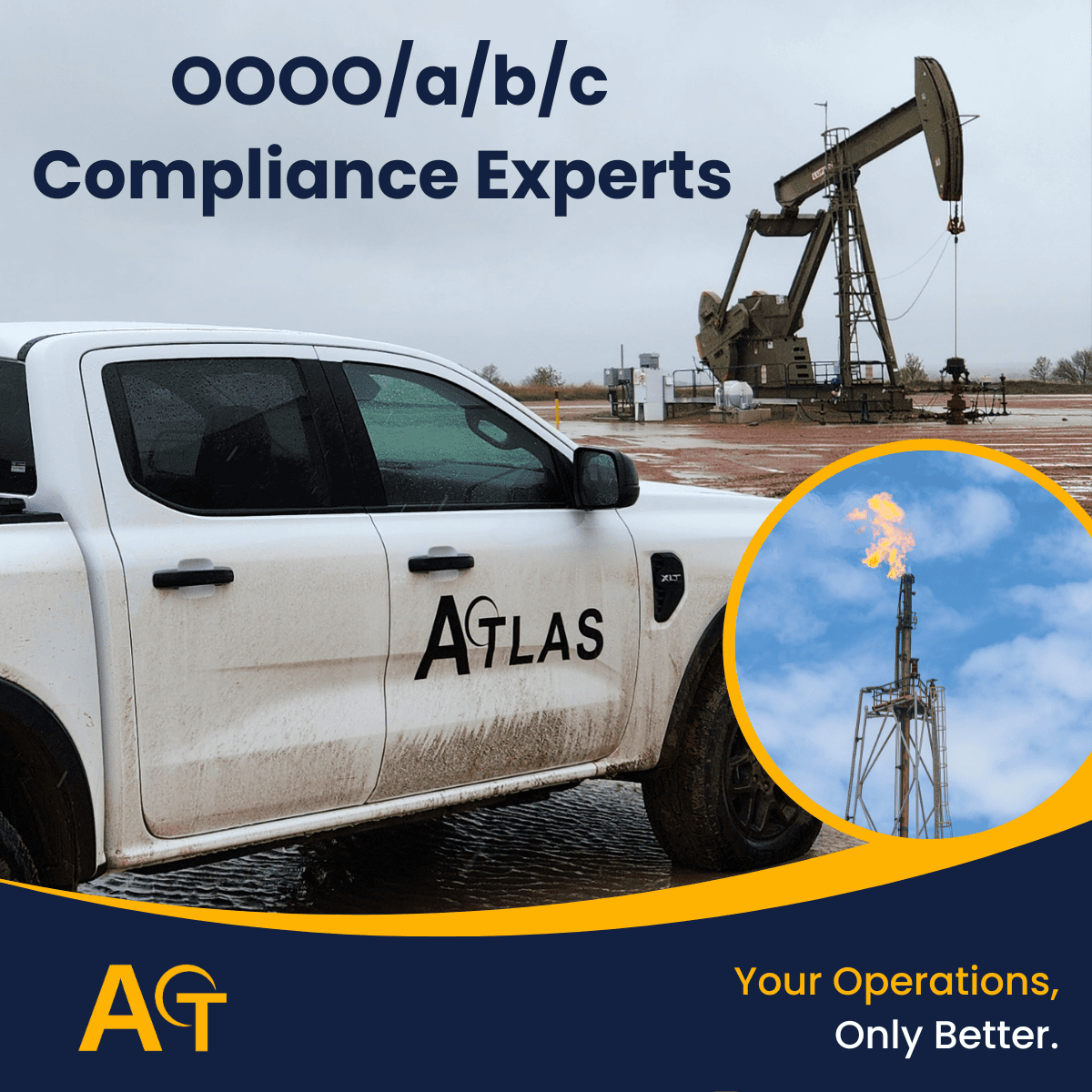
How to achieve OOOO/a/b/c compliance in industrial operations is now one of the most pressing issues facing industries today. As global regulations tighten and environmental responsibility becomes a business expectation, compliance is no longer optional it’s a strategic necessity. Non-compliance with EPA guidelines can lead to costly fines, operational shutdowns, and reputational harm.
Industrial operations, from energy producers to manufacturing facilities, must understand how OOOO/a/b/c regulations affect their processes and reporting obligations. This article explains what OOOO/a/b/c compliance means, outlines key requirements, and provides actionable strategies for achieving and maintaining compliance effectively.
Understanding OOOO/a/b/c Regulations
OOOO/a/b/c regulations represent a critical component of the U.S. Environmental Protection Agency’s efforts to control industrial emissions. Designed to reduce air pollutants such as methane, volatile organic compounds (VOCs), greenhouse gases, and industrial processes in the oil and gas industry.
The EPA’s OOOO/a/b/c standards require companies to adopt emission reduction technologies, monitor air quality, and report performance data regularly. Compliance ensures that industrial activities align with federal environmental goals while promoting sustainable practices within operations.
Industries such as oil and gas extraction, petrochemical processing, and large-scale manufacturing are often subject to these rules. To stay compliant, organizations must continuously monitor emissions, track changes to EPA guidelines, and demonstrate accountability through transparent reporting.
Key Compliance Requirements for Industrial Operations
To meet OOOO/a/b/c standards, organizations must understand the specific requirements that apply to their facilities. These include emission limits, reporting duties, and documentation processes.
Emission Standards and Control Measures
Every regulated facility must meet strict emission limits defined by the EPA. These limits are based on production processes, location, and equipment type. Achieving them often requires installing emission control systems such as vapor recovery units, flares, or leak detection and repair (LDAR) programs.
Regular maintenance and testing are essential to verify that equipment performs as expected. By investing in technology-driven control measures, industries can significantly reduce their environmental footprint while maintaining regulatory compliance.
Monitoring and Reporting Obligations
Compliance relies on required inspections/surveys (OGI/Method 21/AVO or approved alternatives), recordkeeping, and periodic reporting as specified for each affected facility.
Accurate reporting not only demonstrates compliance but also builds trust with regulators and stakeholders. Many companies now use automated digital platforms that compile data, validate accuracy, and generate reports that align with EPA submission formats.
Documentation and Recordkeeping
Documentation is another core aspect of compliance. Facilities must maintain logs of inspections, repairs, testing, and calibration activities. These records must remain accessible for review during EPA audits.
Detailed documentation also helps organizations conduct internal assessments, identify performance gaps, and prepare for any potential enforcement reviews.
Inspection and Enforcement
The EPA performs both scheduled and surprise inspections to ensure adherence to OOOO/a/b/c regulations. Inspectors review records, observe operational practices, and may conduct independent emissions tests.
If violations are discovered, companies face penalties that can range from financial fines to operational restrictions. Preparing for inspections through regular internal audits and staff readiness training is essential to avoid compliance breaches.
Common Challenges in Meeting OOOO/a/b/c Compliance
Many organizations find that achieving full OOOO/a/b/c compliance presents operational challenges. Integrating emissions monitoring systems into complex production environments often requires significant investment and planning.
Data management is another difficulty. Manual data collection increases the risk of inaccuracies, especially when multiple sites or facilities are involved. Inconsistent reporting can trigger red flags with regulators.
Additionally, staff training remains a weak point for many companies. Without a clear understanding of OOOO/a/b/c regulations, employees may overlook small but critical steps that affect compliance status.
To overcome these challenges, companies must focus on process integration, digital automation, and continuous education.
How to Achieve OOOOabc Compliance in Industrial Operations
Achieving OOOO/a/b/c compliance involves a structured approach that combines technology, training, and continuous improvement.
Conduct a Compliance Gap Assessment
Start by performing a detailed audit of your current operations. Identify gaps between existing procedures and OOOO/a/b/c requirements. A gap assessment helps prioritize corrective actions and ensures that resources are directed toward the areas that matter most.
Implement Advanced Emission Monitoring Systems
Continuous Emission Monitoring Systems (CEMS) or predictive systems can capture real-time data on pollutant levels. These systems automatically flag deviations from emission limits, allowing operators to respond quickly.
Adopting modern monitoring tools not only ensures compliance but also helps organizations optimize processes for energy efficiency and cost savings.
Establish Comprehensive Staff Training Programs
Your workforce plays a crucial role in maintaining compliance. Develop structured training programs that cover equipment operation, emission control techniques, and EPA reporting procedures.
Employees should understand how their daily actions influence compliance outcomes. Consistent, hands-on training builds accountability and reduces errors during audits.
Automate Reporting and Data Management
Automation transforms compliance reporting from a manual burden into an efficient, reliable process. Digital solutions integrate data collection, validation, and report generation into one workflow.
Automation also helps track regulatory updates and automatically adjust reporting templates to match EPA requirements. This approach saves time and reduces human error.
Partner with Environmental Compliance Experts
External consultants can provide fresh insights and ensure that your compliance systems align with the latest OOOO/a/b/c regulations. Experts can also assist with emission modeling, data validation, and audit preparation.
Engaging with professionals helps you avoid costly oversights and maintain compliance confidence during EPA inspections.
Best Practices for Maintaining Long-Term Compliance
OOOO/a/b/c compliance doesn’t end once systems are in place it’s an ongoing process that requires attention and adaptation. Here are key strategies for sustaining long-term compliance success:
- Schedule regular internal audits to identify potential issues before they escalate.
- Maintain and calibrate equipment to prevent emission spikes.
- Stay informed about updates to EPA guidelines or regulatory interpretations.
- Foster a culture of accountability, where every employee understands their role in compliance.
- Incorporate sustainability goals into business objectives to align compliance with corporate values.
The Future of OOOO/a/b/c Regulations
The regulatory landscape continues to evolve. The EPA is expanding digital tools for emissions tracking and considering stricter limits to support national climate objectives.
Future compliance frameworks may involve real-time data reporting, blockchain-based tracking, or AI-driven emissions analysis. Companies that invest in adaptable technologies and continuous training today will be best positioned to thrive under tomorrow’s regulations.
By staying proactive, organizations not only reduce compliance risk but also gain reputational advantages as leaders in sustainable industrial practices.
Staying Ahead in Environmental Compliance
Understanding how to achieve OOOO/a/b/c compliance in industrial operations is more than meeting legal obligations it’s about embracing operational excellence and environmental stewardship.
By implementing robust monitoring systems, automating reporting, and investing in employee training, organizations can stay compliant while reducing costs and emissions. Continuous improvement and early adoption of technology ensure long-term alignment with EPA guidelines.
Start your compliance journey today with Atlas OT. Review your processes, identify improvement opportunities, and commit to meeting OOOO/a/b/c standards. In doing so, you’ll not only comply with regulations but also strengthen your organization’s reputation for sustainability and innovation.