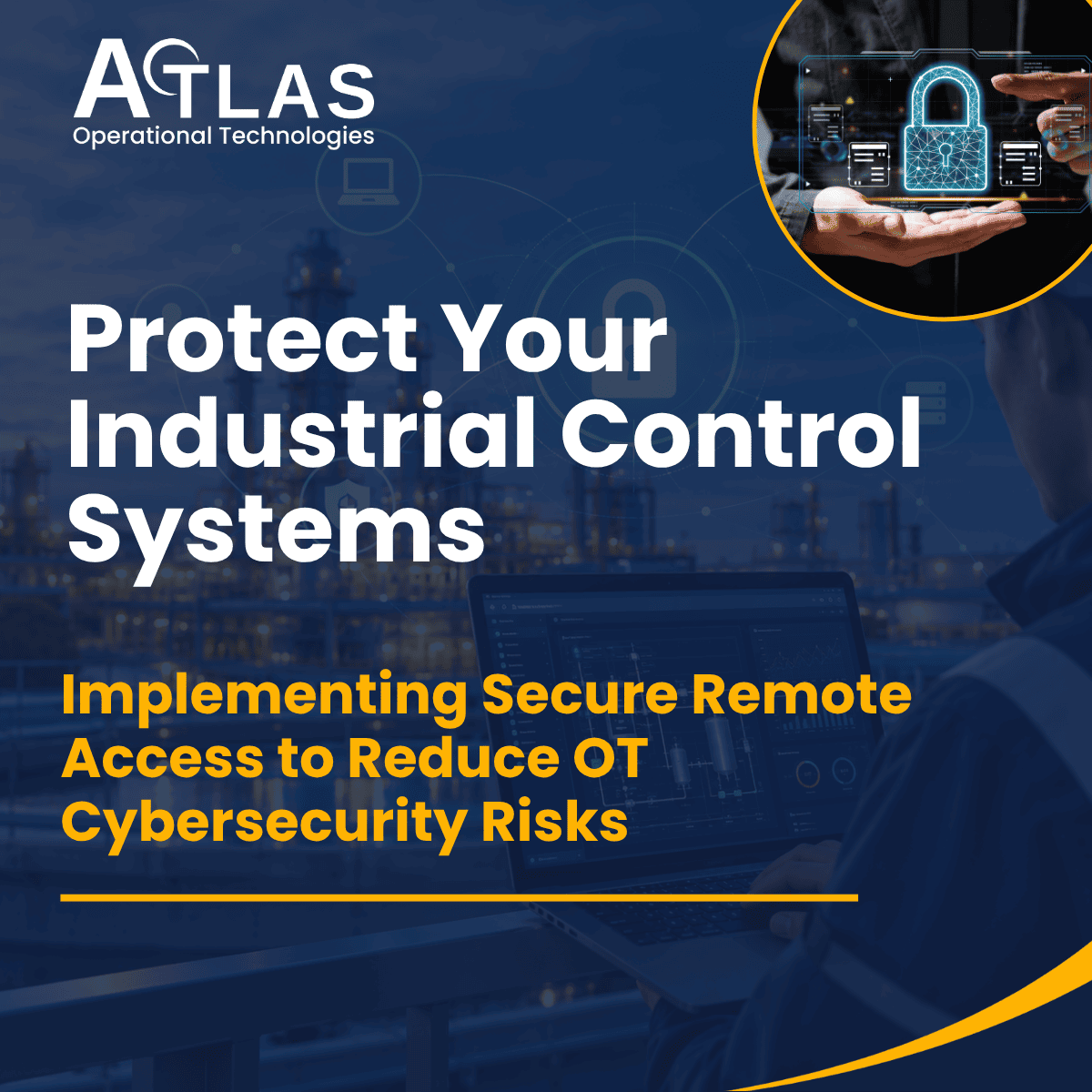
Secure remote access for industrial control systems has become a critical requirement for organizations that operate industrial environments. As businesses increasingly rely on remote monitoring, maintenance, and troubleshooting, ensuring secure connectivity between personnel and operational technology environments is essential.
Industrial facilities are adopting digital transformation initiatives at a rapid pace, making secure remote access for industrial control systems a key component of modern operations. While remote connectivity offers flexibility and efficiency, it also introduces cybersecurity risks that must be carefully managed through proper design, implementation, and ongoing oversight.
Understanding Industrial Control Systems
Industrial control systems (ICS) are the technologies used to monitor, control, and automate industrial processes. These systems are commonly found in manufacturing facilities, energy plants, water treatment facilities, transportation infrastructure, and other critical sectors.
Industrial control systems often include:
Supervisory Control and Data Acquisition (SCADA) systems
Programmable Logic Controllers (PLCs)
Human Machine Interfaces (HMIs)
Distributed Control Systems (DCS)
Industrial sensors and actuators
Historically, these systems operated in isolated environments. However, modern operational requirements have created a need for remote connectivity, enabling engineers and technicians to access systems from different locations.
Why Secure Remote Access Matters
Remote access provides numerous operational benefits, including:
Faster troubleshooting
Reduced travel costs
Improved system availability
Efficient vendor support
Real-time monitoring and maintenance
Despite these advantages, unsecured remote access can create significant vulnerabilities. Cybercriminals often target industrial environments because disruptions can have serious operational, financial, and safety consequences.
A secure approach to industrial cybersecurity helps organizations balance operational efficiency with protection against cyber threats.
Common Security Risks in Remote Access Environments
Remote access solutions can expose industrial networks to several risks if not properly secured.
Unauthorized Access
Weak authentication mechanisms can allow attackers to gain access to critical systems. Shared credentials and poor password practices increase this risk.
Malware Infiltration
Remote connections may introduce malicious software into operational technology environments. Malware infections can disrupt operations and compromise sensitive data.
Insider Threats
Employees, contractors, or third-party vendors with excessive privileges may unintentionally or intentionally create security issues.
Network Exposure
Direct internet-facing connections significantly increase the attack surface of industrial systems.
Legacy System Vulnerabilities
Many industrial environments rely on older technologies that were not originally designed with cybersecurity in mind.
Key Components of a Secure Remote Access Architecture
Designing a secure architecture requires multiple layers of protection.
Network Segmentation
Network segmentation separates operational technology networks from information technology networks.
Benefits include:
Reduced attack surface
Better traffic control
Improved visibility
Containment of security incidents
Organizations should establish secure zones and carefully control communication pathways between them.
Multi-Factor Authentication
Multi-factor authentication (MFA) provides an additional layer of security beyond passwords.
Common authentication factors include:
Passwords
Security tokens
Mobile authentication applications
Biometric verification
Implementing MFA significantly reduces the likelihood of unauthorized access.
Role-Based Access Control
Role-based access control (RBAC) ensures users only receive permissions necessary for their job functions.
This principle of least privilege helps minimize security risks and limits the impact of compromised accounts.
Secure Gateways
Secure gateways act as controlled entry points into industrial environments.
These gateways can:
Authenticate users
Encrypt communications
Monitor activity
Enforce security policies
Session Monitoring and Logging
Continuous monitoring helps organizations detect unusual behavior and investigate security incidents
.
Comprehensive logging should include:
User activity
Login attempts
Configuration changes
Remote session records
Best Practices for Industrial Cybersecurity
Organizations should follow established cybersecurity practices when implementing remote access solutions.
Conduct Risk Assessments
A thorough risk assessment identifies vulnerabilities, threats, and potential impacts before deployment.
Risk assessments should evaluate:
Existing infrastructure
User requirements
Regulatory obligations
Third-party access needs
Encrypt All Communications
Encrypted remote access protects data transmitted between users and industrial systems.
Encryption prevents attackers from intercepting sensitive information during transmission.
Implement Zero Trust Principles
The Zero Trust security model assumes that no user or device should be automatically trusted.
Key principles include:
Continuous verification
Least privilege access
Device validation
Session monitoring
Regularly Update Systems
Keeping systems updated helps address known vulnerabilities.
Organizations should establish patch management processes that balance security requirements with operational continuity.
Manage Third-Party Access
Vendors often require remote access to support industrial equipment.
Best practices include:
Temporary access permissions
Approval workflows
Activity monitoring
Access expiration policies
Technologies Supporting Secure Remote Access
Several technologies can help organizations strengthen security.
Virtual Private Networks
Virtual Private Networks (VPNs) create encrypted communication channels between remote users and industrial systems.
VPNs remain widely used but should be combined with additional security controls such as MFA and monitoring.
Secure Remote Access Platforms
Modern remote access platforms provide centralized management, authentication, auditing, and policy enforcement.
These solutions are designed specifically for industrial environments.
Bastion Hosts
A bastion host serves as an intermediary system between remote users and protected assets.
Benefits include:
Controlled access
Enhanced visibility
Reduced exposure
Centralized security enforcement
Identity and Access Management Solutions
Identity and Access Management (IAM) platforms help organizations control user identities and permissions across systems.
IAM capabilities often include:
User provisioning
Authentication management
Access reviews
Compliance reporting
Comparison of Remote Access Security Measures
Security Measure | Primary Purpose | Key Benefit |
|---|---|---|
Multi-Factor Authentication | User verification | Reduces unauthorized access |
Network Segmentation | Traffic isolation | Limits attack spread |
VPN | Secure connectivity | Encrypts communications |
Role-Based Access Control | Permission management | Enforces least privilege |
Session Monitoring | Activity oversight | Detects suspicious behavior |
Secure Gateway | Controlled entry point | Centralizes security controls |
Identity Management | User governance | Improves access control |
Encryption | Data protection | Prevents interception |
Challenges and Considerations
Designing secure remote access solutions can present several challenges.
Balancing Security and Usability
Overly restrictive controls may hinder productivity, while insufficient controls increase risk. Organizations must carefully balance security requirements with operational efficiency.
Supporting Legacy Equipment
Many industrial environments contain equipment that cannot easily support modern security technologies. Additional security layers may be necessary to protect these systems.
Regulatory Compliance
Industries such as energy, manufacturing, and utilities may be subject to specific cybersecurity regulations and standards. Compliance requirements should be considered during solution design.
Scalability
As organizations expand operations, remote access solutions must accommodate additional users, locations, and devices without compromising security.
Future Trends in Industrial Remote Connectivity
The future of industrial network security continues to evolve alongside digital transformation initiatives.
Emerging trends include:
Increased Zero Trust Adoption
More organizations are implementing Zero Trust architectures to strengthen access controls.
AI-Powered Threat Detection
Artificial intelligence and machine learning technologies are improving threat detection capabilities.
Secure Cloud Integration
Cloud-based industrial solutions are becoming more common, increasing the need for secure connectivity strategies.
Enhanced Visibility Tools
Advanced monitoring solutions provide deeper insights into user activity, network traffic, and system performance.
Greater Focus on Operational Technology Security
Organizations are investing more resources into protecting operational technology environments from cyber threats.
Conclusion
Designing secure remote access solutions for industrial environments requires a comprehensive approach that combines technology, policy, and ongoing management. By implementing secure remote access for industrial control systems, industrial cybersecurity, network segmentation, multi-factor authentication, encrypted remote access, and industrial network security best practices, organizations can reduce risk while supporting operational efficiency.
Contact our experts to discuss your automation and integration needs. Get in touch to start your automation project.
Frequently Asked Questions
What is secure remote access for industrial control systems?
Secure remote access enables authorized users to connect to industrial control systems from remote locations while maintaining strong cybersecurity protections.
Why is remote access security important in industrial environments?
Industrial systems often control critical operations. A security breach can lead to operational disruptions, financial losses, safety concerns, and regulatory issues.
How does multi-factor authentication improve security?
Multi-factor authentication requires multiple forms of verification, making it more difficult for attackers to gain unauthorized access.
What role does network segmentation play in cybersecurity?
Network segmentation limits communication between systems, reducing the potential impact of cyberattacks and preventing lateral movement.
Is a VPN enough to secure industrial remote access?
A VPN provides encrypted connectivity but should be combined with additional controls such as MFA, monitoring, access management, and network segmentation.